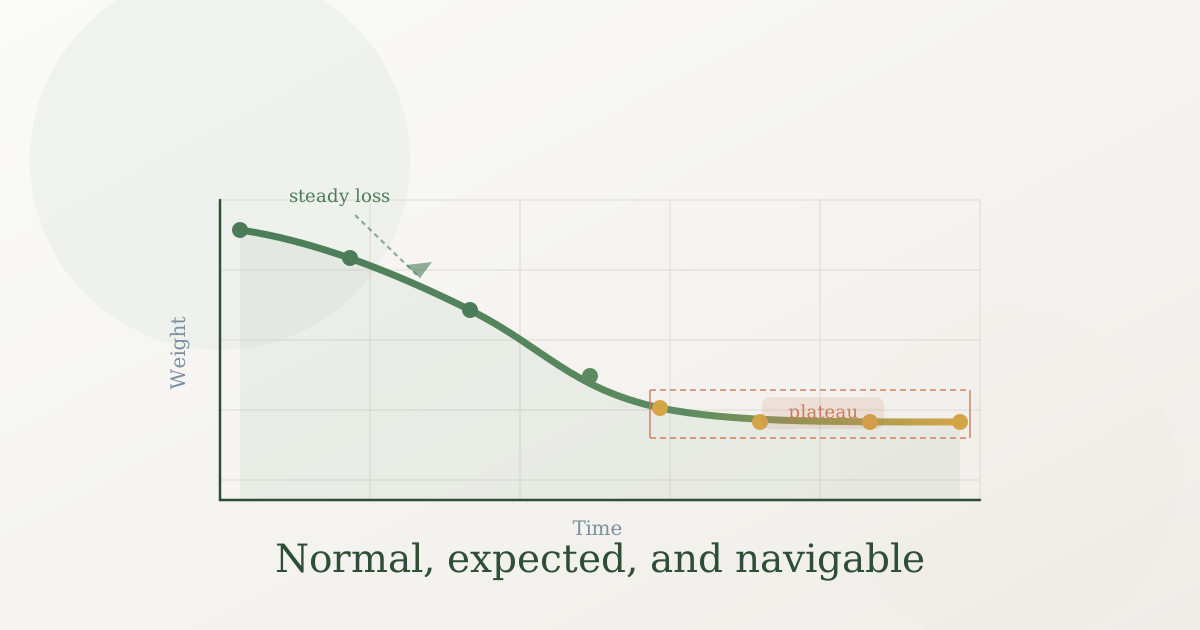
Hitting a plateau after weeks of steady progress can feel discouraging. But a plateau is not a sign of failure — it is a predictable biological response that almost every person experiences during a weight-loss journey.
Why Your Body Stalls
When you lose weight, your body adapts. A smaller body burns fewer calories at rest, a phenomenon researchers call adaptive thermogenesis. Essentially, your metabolism down-regulates to protect energy stores. Hormones like leptin (which signals fullness) drop, while hunger hormones like ghrelin rise — your body is working hard to bring weight back to its previous set point.
- Caloric equilibrium: As weight drops, the same calorie intake that once created a deficit may now be at or near maintenance.
- Muscle changes: Lean muscle mass influences resting metabolic rate; losing any muscle along the way slows calorie burn.
- Behavioral drift: Small, unconscious increases in portion size or decreases in movement add up over time.
What Can Help
A plateau does not mean you must eat less and exercise more indefinitely. Instead, consider these evidence-informed strategies:
- Reassess portion accuracy. Eyeballing portions tends to underestimate calories. A brief return to measuring can reveal invisible gaps.
- Vary your movement. Adding resistance training helps preserve muscle mass and supports metabolic rate.
- Prioritize sleep and stress management. Cortisol elevation from poor sleep promotes fat storage and increases appetite.
- Be patient with the timeline. A plateau lasting two to four weeks is common and often resolves with consistent habits.
When to Talk to a Provider
If a plateau persists for several months despite honest adherence, a licensed clinician can evaluate factors like thyroid function, medications, or whether a structured program — including options like GLP-1 receptor agonists (e.g., semaglutide) — might be appropriate for your situation. See where your numbers stand →
This article is for general education only and is not medical advice; consult a licensed healthcare provider before making changes to your diet, exercise routine, or medications.