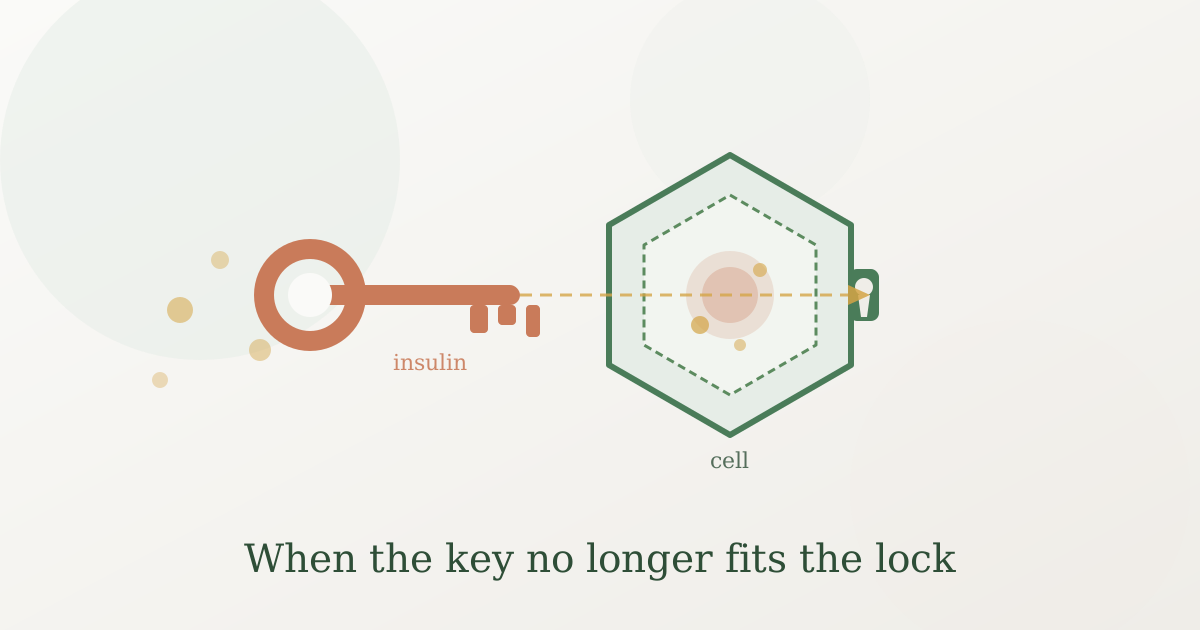
Your body runs on glucose — a sugar that travels through the bloodstream and enters cells to produce energy. Insulin is the hormone that acts like a key, unlocking cell doors so glucose can get inside. Insulin resistance means those locks become harder to turn.
What Actually Happens
When cells stop responding normally to insulin, the pancreas compensates by making more of it. For a while, blood sugar stays in range — but the system is working harder than it should. Over time, this extra demand can exhaust the pancreas and lead to persistently elevated glucose levels.
Common features associated with insulin resistance include:
- Elevated fasting blood sugar (typically 100–125 mg/dL range)
- Higher-than-optimal triglycerides
- Low HDL cholesterol
- Increased waist circumference
- Elevated blood pressure
These often travel together — a pattern clinicians sometimes call metabolic syndrome.
Why It Matters Early
Insulin resistance usually develops silently over years. Most people feel fine and have no obvious symptoms. That's why routine lab work is so valuable: a fasting glucose, an HbA1c, and a lipid panel can reveal patterns long before a formal diagnosis applies. Catching the trend early gives far more options for meaningful lifestyle change.
What Can Shift the Pattern
Research consistently shows that aerobic exercise, resistance training, and dietary changes — particularly reducing refined carbohydrates and added sugars — can meaningfully improve insulin sensitivity. Sleep quality and stress management also play documented roles. No single intervention works for everyone; a licensed clinician can help you prioritize based on your own labs and history.
If you're curious about your current metabolic picture, See where your numbers stand → to explore whether a structured program might fit your situation.
This article is educational only and does not constitute medical advice; consult a licensed healthcare provider for diagnosis or treatment.