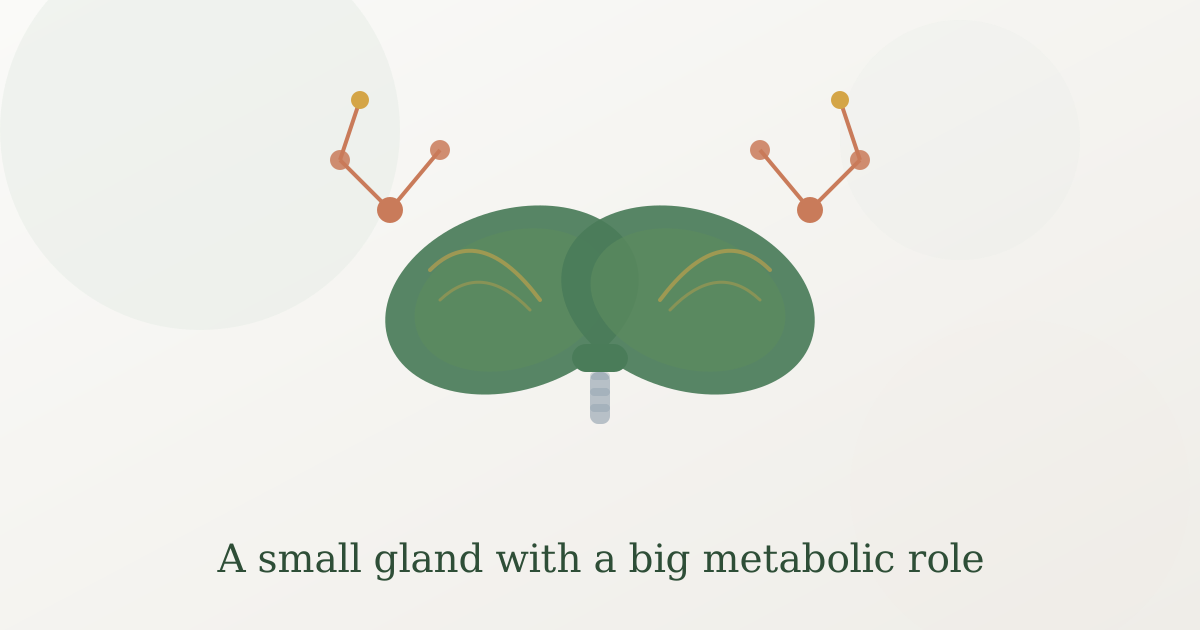
The thyroid is a small, butterfly-shaped gland in the front of the neck, but its influence on the body is surprisingly broad. It produces hormones — primarily T4 and T3 — that help regulate how quickly cells convert fuel into energy. When that process runs too slowly or too quickly, weight is often one of the first things people notice.
How an Underactive Thyroid Affects Weight
Hypothyroidism occurs when the thyroid doesn't produce enough hormone. Because metabolism slows, the body burns fewer calories at rest. Common signs — beyond modest weight gain — can include fatigue, feeling cold, dry skin, and sluggish digestion. The weight change is real, but it's usually modest (often 5–10 lbs); most clinicians caution that thyroid dysfunction alone rarely explains large amounts of excess weight.
What Blood Tests Actually Measure
Providers typically order a TSH (thyroid-stimulating hormone) test first. TSH is released by the pituitary gland to tell the thyroid to produce more hormone; a high TSH often signals an underactive thyroid, while a low TSH can suggest overactivity. Free T4 and T3 levels are sometimes added to get a fuller picture. Reference ranges vary by lab and individual circumstance — interpreting results is a conversation for a licensed provider, not a wellness calculator.
Thyroid, Weight, and the Bigger Picture
Even when thyroid levels are optimized with medication (levothyroxine is among the most commonly prescribed drugs in the US), many people find that weight doesn't normalize automatically. That's because body weight is regulated by overlapping systems: hormones, sleep, stress, nutrition, and more. Understanding thyroid function is one piece — not the whole puzzle.
- A treated thyroid condition doesn't guarantee effortless weight loss.
- Other metabolic factors (insulin sensitivity, cortisol, sleep quality) interact with thyroid function.
- Sustainable weight management usually requires a personalized, multi-factor plan.
If you're curious how metabolic factors like thyroid health might fit into a broader weight-management conversation, See where your numbers stand →.
This article is for educational purposes only and is not medical advice; please consult a licensed healthcare provider about your individual health.