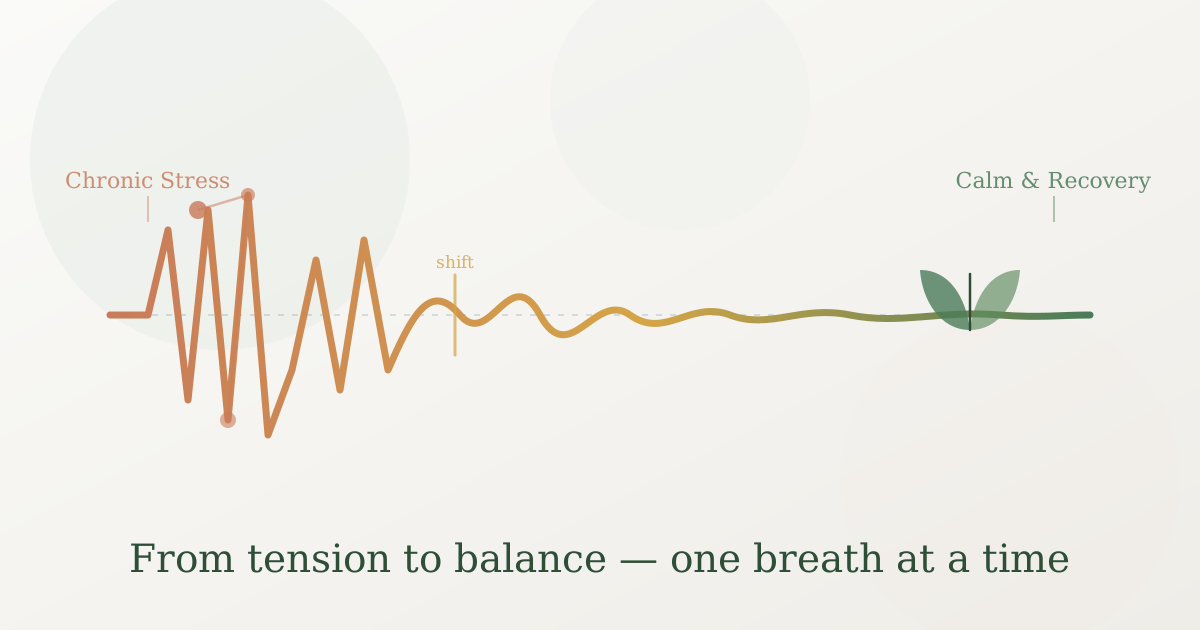
Feeling perpetually stressed isn't just hard on your mood — it may quietly reshape your body over time. Research points to a hormonal chain reaction linking prolonged stress, elevated cortisol, and the accumulation of fat deep in the abdomen.
What Cortisol Actually Does
Cortisol is a steroid hormone released by the adrenal glands whenever the brain perceives a threat. In short bursts, it is genuinely helpful: it sharpens focus, mobilizes energy, and quiets non-urgent body functions. The problem arises when stress is chronic — deadlines, financial pressure, poor sleep — and cortisol stays elevated for days or weeks at a time.
- Persistently high cortisol increases appetite, especially for calorie-dense foods.
- It promotes the storage of triglycerides in visceral (deep abdominal) fat cells, which carry more cortisol receptors than subcutaneous fat.
- It can blunt insulin sensitivity over time, making energy regulation less efficient.
Why Belly Fat Matters Metabolically
Visceral fat is not merely cosmetic. Because it sits close to the portal vein, it releases fatty acids and inflammatory compounds directly into the liver. This proximity is one reason researchers associate higher waist circumference — not just total weight — with elevated risks for metabolic and cardiovascular conditions. BMI alone does not capture the full picture, which is why clinicians often pair it with waist measurements.
What You Can Do With This Knowledge
Understanding the cortisol–fat link points toward evidence-backed strategies: consistent sleep, structured movement, and stress-reduction practices such as mindfulness or breathing exercises have all been studied for their effects on cortisol rhythms. None of these replaces a provider's guidance, but they give you informed starting points for a conversation.
See where your numbers stand →
This article is for general education only and is not medical advice; consult a licensed healthcare provider before making any changes to your health or weight-management plan.