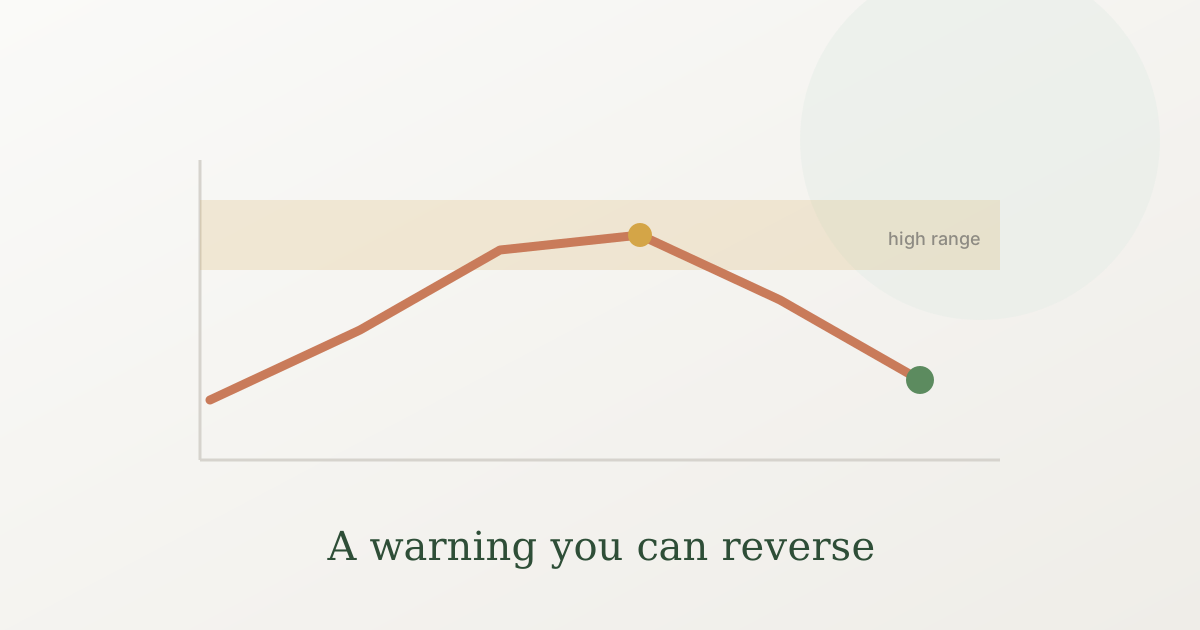
Hearing "you’re prediabetic" sounds scary. It’s actually a gift: a warning light that flips on while you can still do something about it.
What prediabetes means
Your blood sugar is higher than normal, but not yet diabetes. It’s usually spotted with a simple blood test (HbA1c or fasting glucose) ordered by a provider. Think of it as the body’s early-warning system.
Why it matters
Left unchecked, prediabetes can progress to type 2 diabetes. But that path isn’t fixed — it’s one of the few health situations where daily choices genuinely change the outcome.
The reversal playbook
The most rigorous research (the Diabetes Prevention Program) found that two simple things dramatically lower the risk of progressing:
- Lose a modest amount of weight — about 5–7% of your body weight.
- Move more — regular walking counts; you don’t need a gym.
Add the everyday basics — protein, fiber, fewer sugary drinks, decent sleep — and the numbers often follow. Our daily-habits guide breaks these down.
Where medication fits
For some people, a provider may consider medication — see metabolic health. But lifestyle comes first, and at this stage it’s remarkably powerful.
Know your numbers first
Take the free 30-second check →
This article is educational only and isn’t medical advice. Get tested and guided by a licensed provider.