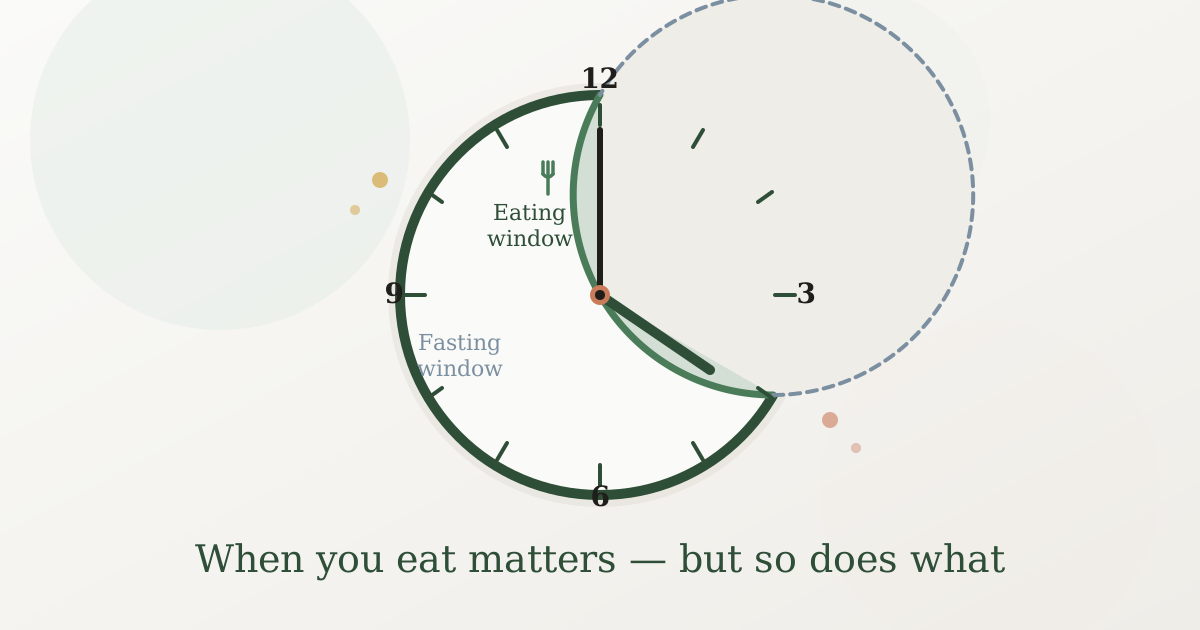
Intermittent fasting (IF) cycles between defined periods of eating and not eating. It has attracted serious research attention, but the headlines often outpace the evidence. Here is what the science currently supports — and where questions remain.
What Intermittent Fasting Actually Does
IF does not specify what you eat; it specifies when. The most studied patterns include:
- 16:8 — a 16-hour fast followed by an 8-hour eating window.
- 5:2 — normal eating five days a week, with two non-consecutive very-low-calorie days.
- Alternate-day fasting — alternating between unrestricted and restricted days.
When the body exhausts liver glycogen stores during a fast (roughly 12–16 hours in), it increasingly draws on stored fat for energy. This metabolic shift is one proposed mechanism behind IF's effects on body weight and insulin sensitivity.
What the Research Shows
Multiple randomized controlled trials find that IF produces weight loss roughly comparable to continuous calorie restriction — not dramatically superior. A 2022 New England Journal of Medicine study found time-restricted eating offered no meaningful advantage over standard calorie counting when protein and calories were matched.
That said, some individuals find a structured eating window easier to sustain than daily calorie counting, which matters for long-term adherence. Emerging evidence also suggests metabolic benefits — improved fasting glucose, reduced triglycerides — in people with overweight or obesity, though effect sizes vary.
Who Should Be Cautious
IF is not appropriate for everyone. People who are pregnant, have a history of disordered eating, take insulin or certain diabetes medications, or are underweight should discuss any fasting protocol with a licensed clinician before starting. Side effects like headache, fatigue, and irritability are common in early weeks.
If you are wondering how your current weight and metabolic markers compare to clinical thresholds, See where your numbers stand →
This article is for general education only and does not constitute medical advice; please consult a licensed healthcare provider before making changes to your diet or health routine.