Protein is the body's primary building block — used for muscle repair, enzyme production, immune function, and dozens of other processes. Yet most people either dramatically overestimate or underestimate how much they actually need day to day.
The Baseline Numbers
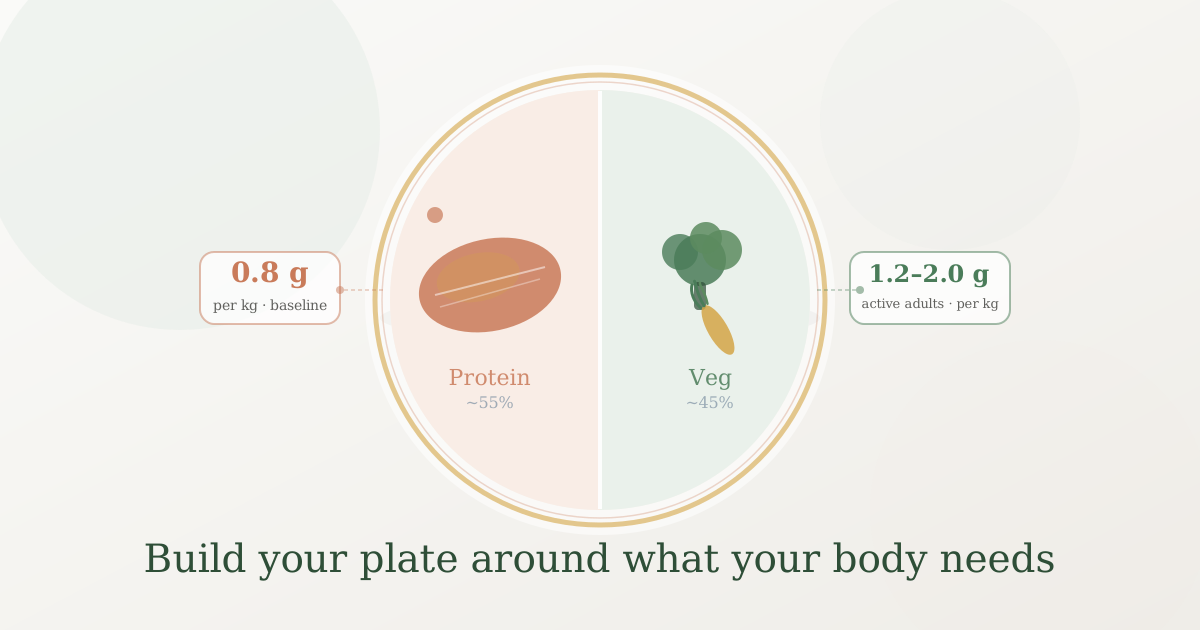
The long-standing Recommended Dietary Allowance (RDA) for protein is 0.8 grams per kilogram of body weight per day for sedentary adults. For a 165-pound (75 kg) person, that works out to roughly 60 grams daily. Keep in mind the RDA represents a minimum to prevent deficiency — not necessarily an optimal target for everyone.
When Your Needs May Be Higher
Research consistently shows certain groups benefit from more protein than the baseline RDA:
- Active individuals and strength trainers — studies suggest 1.2–2.0 g/kg supports muscle protein synthesis.
- Older adults (65+) — higher intake (around 1.0–1.2 g/kg) may help slow age-related muscle loss, called sarcopenia.
- People working on weight management — adequate protein promotes satiety and helps preserve lean mass during a calorie deficit.
- Pregnant or breastfeeding individuals — needs increase meaningfully; a provider should set personalized targets.
If you're unsure where your own intake goals should sit, See where your numbers stand → with a quick eligibility check.
Practical Ways to Hit Your Target
Distributing protein across meals tends to be more effective than loading most of it into one sitting. Aim for a palm-sized protein source at each meal:
- Eggs, Greek yogurt, cottage cheese
- Chicken, turkey, fish, lean beef
- Legumes, edamame, tofu, tempeh
- Low-fat dairy or fortified plant milks
Quality matters too — animal proteins tend to be "complete" (all essential amino acids), while plant sources can be combined across the day to achieve the same effect.
This article is for general education only and is not medical advice; consult a licensed provider for personalized nutrition guidance.