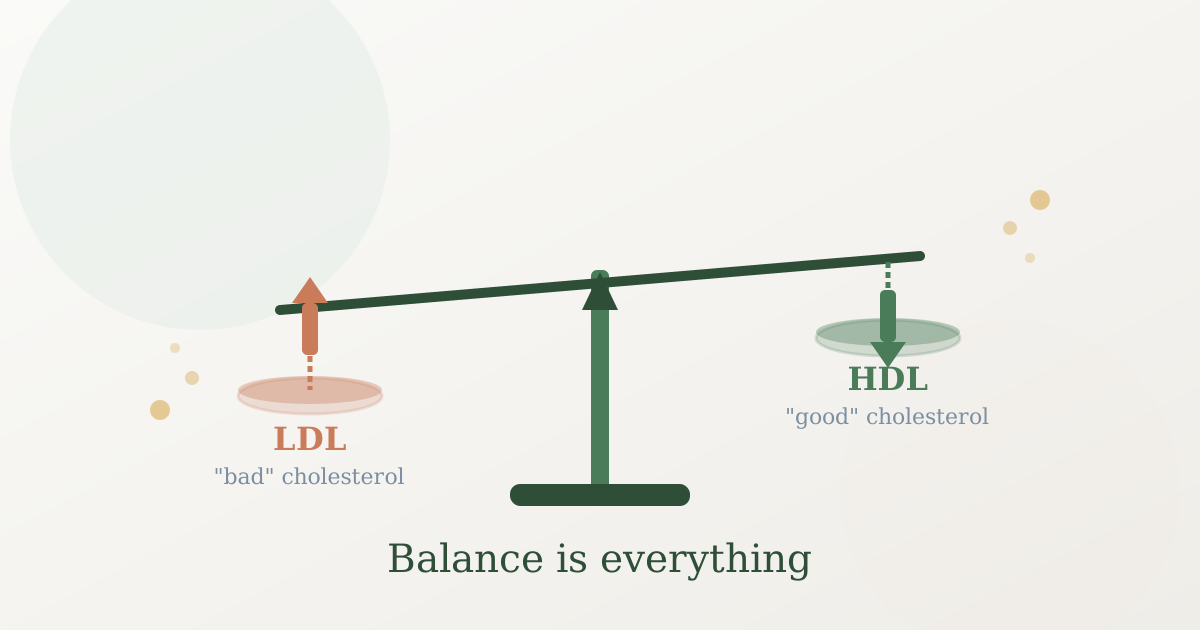
Cholesterol gets talked about like it's purely a villain, but the full picture is more nuanced. Your body actually needs cholesterol to build cell membranes, make hormones, and digest food. The trouble starts when the types of cholesterol fall out of balance — and understanding that balance is the first step toward a useful conversation with your doctor.
What LDL and HDL Actually Do
LDL (low-density lipoprotein) is often called "bad" cholesterol because it carries cholesterol particles through the bloodstream and can deposit them in artery walls. Over time, those deposits can narrow arteries and raise the risk of heart attack and stroke.
HDL (high-density lipoprotein) earns the "good" label because it works in the opposite direction — picking up excess cholesterol from the bloodstream and ferrying it back to the liver, where it's processed and removed.
A useful mental image: LDL delivers, HDL retrieves. Both are always present; what matters is the ratio and the quantities.
Reading the Numbers
A standard lipid panel measures:
- Total cholesterol — the sum of all types
- LDL — generally, lower is considered better
- HDL — generally, higher is considered better
- Triglycerides — a separate blood fat that rounds out the picture
Guidelines from major cardiology organizations suggest an LDL below 100 mg/dL is optimal for most adults, while an HDL above 60 mg/dL is viewed as protective. Those thresholds shift based on age, family history, blood pressure, and other risk factors — which is why a licensed provider interprets your panel in context, not in isolation.
What Can Influence Cholesterol
Lifestyle factors play a real role:
- Dietary patterns (saturated and trans fats tend to raise LDL)
- Regular physical activity (linked to higher HDL in research)
- Body weight and smoking status
- Genetics (familial hypercholesterolemia can keep LDL high regardless of diet)
When lifestyle changes aren't enough, providers may discuss medications — statins are the most studied class, with newer options like PCSK9 inhibitors available for certain high-risk cases. Any treatment decision belongs to a qualified clinician who knows your full history.
See where your numbers stand →
This article is for educational purposes only and is not medical advice; consult a licensed healthcare provider for guidance on your personal cholesterol levels.