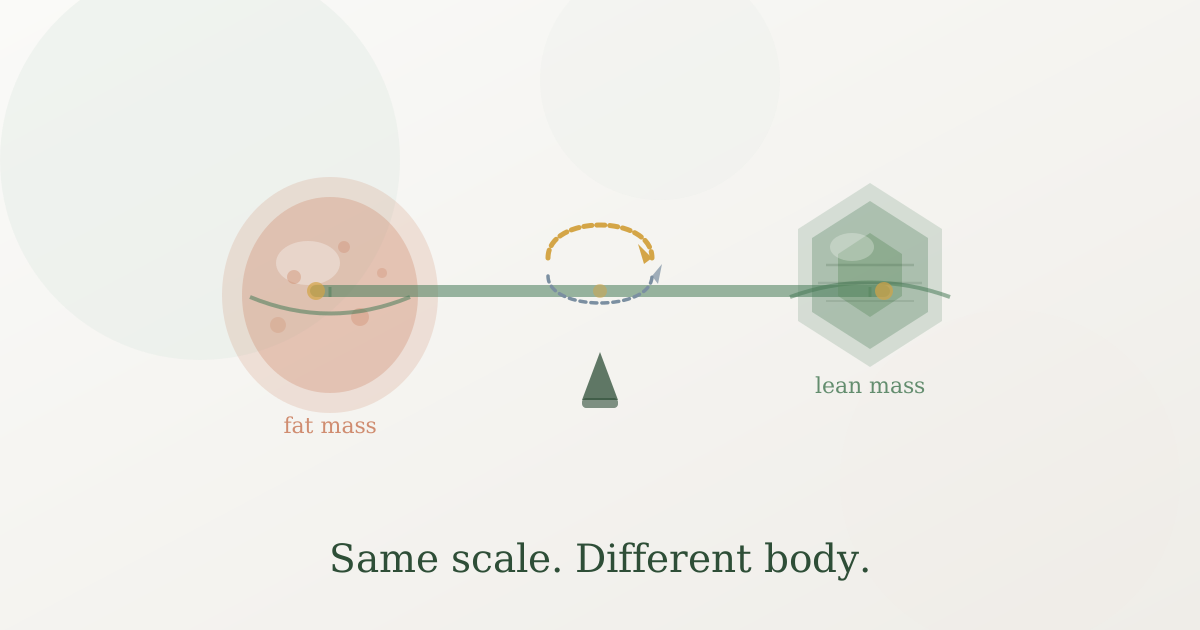
Most fitness conversations treat fat loss and muscle gain as separate goals — cut first, bulk later. Body recomposition challenges that idea by pursuing both simultaneously, and for many adults it is a realistic, sustainable approach rather than a niche athlete trick.
What Recomposition Actually Means
At its core, recomposition is a shift in body composition: the ratio of lean mass to fat mass improves even when the number on the scale barely moves. You might weigh the same in six months yet wear a smaller size and feel meaningfully stronger. The mechanism is straightforward — muscle tissue is denser than fat tissue, so equal weights look and function very differently.
Who Tends to See the Best Results
Research suggests recomposition works best for:
- Beginners and returners — people new to resistance training or returning after a long break respond robustly to strength stimulus.
- Adults with higher body-fat percentages — stored fat can fuel muscle-building work, reducing the need for a large caloric surplus.
- Consistent protein consumers — adequate dietary protein (roughly 0.7–1 g per pound of goal body weight is a common evidence-based range) supports muscle protein synthesis while fat is being mobilized.
Highly trained athletes close to their genetic ceiling have a harder time; for them, dedicated phases still make sense.
The Practical Levers
Three variables interact continuously:
- Resistance training — progressive overload (gradually adding reps, sets, or load) is the primary driver of muscle retention and growth.
- Protein intake — distributed across meals, it keeps muscle protein synthesis elevated throughout the day.
- Modest caloric positioning — a slight deficit, maintenance, or very small surplus all work; extreme cuts sabotage muscle; large surpluses add fat alongside muscle.
If you are unsure where your current metrics sit, See where your numbers stand → before setting targets.
This post is for educational purposes only and is not medical advice; consult a licensed healthcare provider before making changes to your diet or exercise routine.