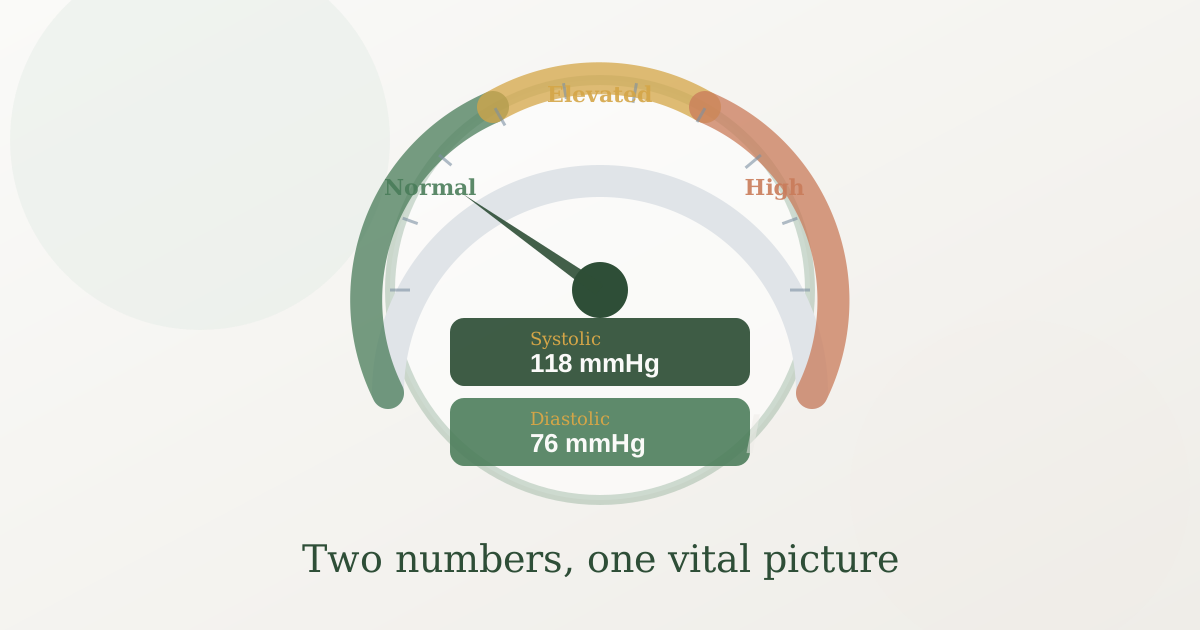
Blood pressure is one of the most commonly measured vital signs — yet many adults leave the clinic unsure what those two numbers actually mean. Understanding the basics can help you have a more informed conversation with your provider.
What the Two Numbers Represent
A blood pressure reading is written as two numbers separated by a slash, such as 118/76 mmHg.
- Systolic (top number): The pressure in your arteries when your heart beats and pumps blood outward. This number is typically higher.
- Diastolic (bottom number): The pressure in your arteries between beats, when your heart is at rest and refilling. This number is lower.
Both figures are measured in millimeters of mercury (mmHg) and are captured by the cuff squeezing briefly around your upper arm.
The Standard Categories
The American Heart Association defines five general ranges for adults:
- Normal: Below 120/80 mmHg
- Elevated: Systolic 120–129 and diastolic below 80
- High Blood Pressure Stage 1: 130–139 / 80–89 mmHg
- High Blood Pressure Stage 2: 140 or higher / 90 or higher mmHg
- Hypertensive Crisis: Above 180 / above 120 mmHg — seek emergency care
A single reading outside the normal range isn't a diagnosis. Readings naturally vary with activity, stress, caffeine, and even the position you're sitting in. Providers typically look at patterns over multiple visits before drawing conclusions.
Why It Matters for Overall Health
Persistently elevated blood pressure puts extra mechanical stress on artery walls, the heart muscle, and organs like the kidneys and brain. Over years, this stress is linked to increased risk of heart attack, stroke, and kidney disease. The encouraging truth is that lifestyle factors — diet, movement, sleep, and weight — can meaningfully influence these numbers, as can a range of medications a licensed clinician may consider.
If you're curious how your cardiovascular picture connects to your weight and metabolic health, See where your numbers stand → with a free eligibility check.
This article is for educational purposes only and is not medical advice; please consult a licensed healthcare provider about your individual blood pressure readings and health needs.